
How to Budget for a Home Refurbishment in Lewisham
How to Budget for a Home Refurbishment in Lewisham
Refurbishing your home is one of the most exciting — and potentially stressful — projects you'll ever take on. Whether you're updating a Victorian terrace in Lewisham town centre, extending a semi-detached in Catford, or converting a flat near Deptford Bridge, getting your budget right from the very beginning is the single most important thing you can do to protect your investment and your sanity.
At Heath Projects, we work with homeowners across Lewisham, Greenwich, and the wider SE London area every day, and we've seen firsthand what happens when budgets are properly planned — and when they're not. Here's our practical guide to budgeting for a home refurbishment in Lewisham.
Start With a Clear Scope of Works
Before you can put a realistic number on your project, you need to know exactly what you're doing. Are you refitting a kitchen and bathroom? Adding a loft conversion to your 1930s semi in Hither Green? Knocking through to create an open-plan living space? Each of these carries very different costs.
Write down every element of work you want completed, no matter how small. This becomes the foundation of every quote you receive and helps prevent scope creep — one of the biggest causes of budget overruns on refurbishment projects.
Understand the True Cost of Refurbishment in SE London
Lewisham homeowners should be aware that construction costs in SE London reflect both the quality of tradespeople available and the general cost of doing business in the capital. As a rough guide:
- Kitchen refurbishment: £8,000 – £25,000+
- Bathroom renovation: £4,500 – £12,000+
- Loft conversion: £35,000 – £65,000+
- Single-storey rear extension: £30,000 – £55,000+
- Full house refurbishment: £50,000 – £150,000+
These are indicative figures only — your specific property, its age, and the specification you choose will all affect the final number. Lewisham has a wonderful mix of period Victorian and Edwardian housing stock, and older properties often hide surprises behind walls and under floors that need addressing.
Always Build in a Contingency Fund
This is non-negotiable. We always advise clients to set aside a minimum of 10–15% of their total budget as a contingency. On a £50,000 project, that means keeping £5,000–£7,500 in reserve.
In areas like Deptford and Lewisham, where many homes date back over a century, it's not uncommon to open up a wall and find old wiring, damp, or structural issues that need resolving before you can progress. A contingency fund means these discoveries don't derail your entire project.
Get Multiple Quotes — But Don't Just Chase the Cheapest
Always obtain at least three detailed quotes from reputable contractors. When comparing, make sure each quote covers the same scope of works — it's easy to compare a price that includes plastering with one that doesn't, and wonder why they differ so dramatically.
Be cautious of quotes that seem unusually low. In our experience, a significantly cheaper quote usually means something has been missed, cheaper materials are being specified, or corners will be cut on site. In a competitive SE London market, reputable tradespeople charge appropriately for quality work.
Ask each contractor:
- Are they fully insured?
- Can they provide references from similar local projects?
- Do they use subcontractors, and if so, who manages them?
- What is their payment schedule?
Understand What's Included — and What Isn't
A common source of budget shock is discovering that a quote doesn't include VAT, skip hire, building regulation fees, or structural engineer costs. Always ask for a fully itemised breakdown and confirm what is and isn't included before signing anything.
If your project requires planning permission — for example, a larger extension in a conservation area near Blackheath or Lee — factor in the cost of architectural drawings and planning fees from the outset.
Phasing Your Project Can Help
If your full wish list exceeds what you can currently afford, consider phasing the work. Many Lewisham homeowners start with the most structurally important or habitability-impacting works first — a new roof, rewiring, damp proofing — before moving on to cosmetic improvements.
A good contractor will design the project so that phased works don't result in unnecessary duplication of effort or cost down the line.
Keep Communication Open Throughout
Once the project is underway, stay in regular contact with your contractor. Weekly site meetings or updates help you stay informed of progress, flag any issues early, and make decisions quickly — which keeps the project on time and on budget.
Ready to Start Planning?
At Heath Projects, we've helped homeowners and businesses across Lewisham, Greenwich, Catford, Deptford, Woolwich, and beyond bring their refurbishment visions to life — on time, on budget, and to a standard they're genuinely proud of.
If you're planning a refurbishment project and want an honest, detailed conversation about costs and timelines, we'd love to hear from you. You can book a free site visit and we'll go through the numbers properly. Shaping spaces, defining standards.
Related posts

Building Regulations in Lewisham — A Plain English Guide
A plain English guide to building regulations in Lewisham, covering approvals, applications, and what your project needs.
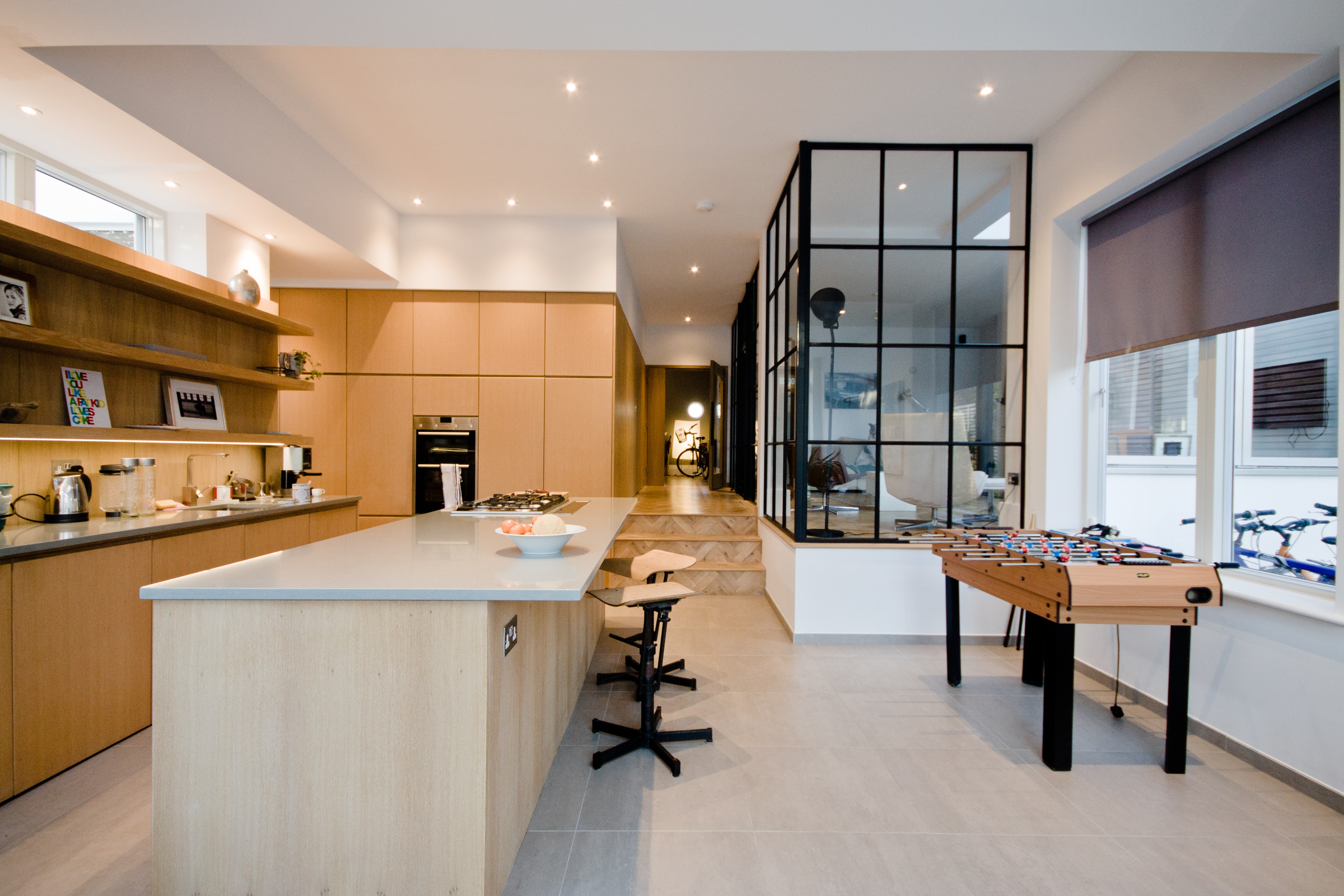
Kitchen Extensions in Lewisham: Costs, Planning & What to Expect
Everything Lewisham homeowners need to know about kitchen extension costs, planning permission, and build timelines.