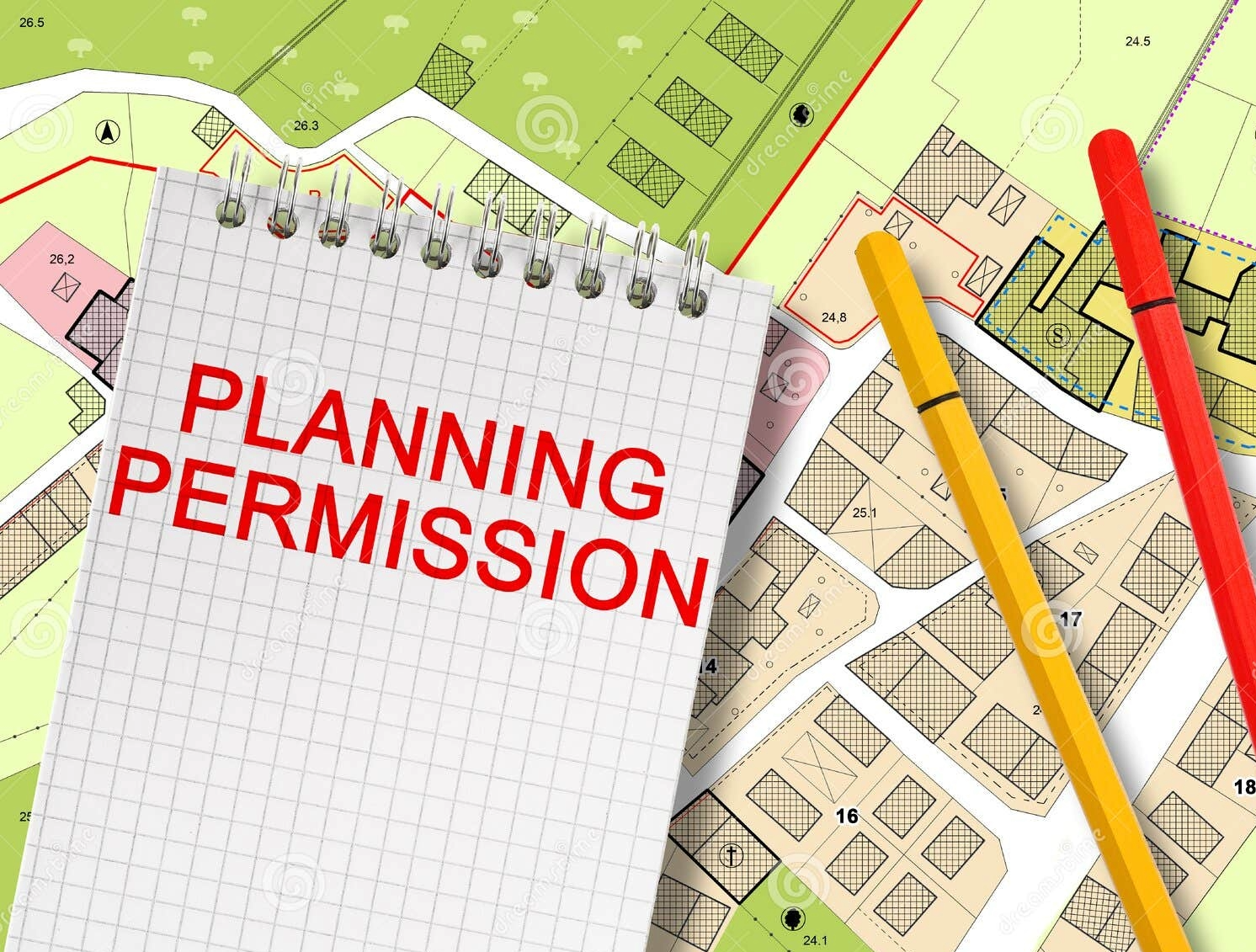
Planning Permission in Greenwich Borough: What You Need to Know
Planning Permission in Greenwich Borough: What You Need to Know
Whether you're dreaming of a rear extension on your terraced home in Blackheath, converting a commercial unit in Woolwich, or adding a loft room to your semi in Eltham, understanding the planning permission process in the Royal Borough of Greenwich is absolutely essential before you pick up a single tool.
At Heath Projects, we work with homeowners and businesses across SE London every day, and planning permission is one of the topics that comes up most often — and causes the most confusion. So let's cut through the noise.
Does Your Project Actually Need Planning Permission?
Not every building project requires formal planning permission. Many smaller works fall under what's known as Permitted Development Rights (PDR), which allow certain changes to be made without a full application. Common examples include:
- Single-storey rear extensions up to 4 metres (detached) or 3 metres (semi/terraced)
- Loft conversions that don't exceed 40 or 50 cubic metres depending on property type
- Internal alterations that don't affect the external appearance
- Certain outbuildings and garden structures
However, Permitted Development Rights can be restricted or removed entirely in certain areas. Large parts of Greenwich Borough — including conservation areas in Blackheath Village, parts of Greenwich Town Centre, and numerous streets in Lee and Kidbrooke — carry additional restrictions. If your property is a listed building, virtually all structural changes will require Listed Building Consent on top of any standard planning application.
Conservation Areas in Greenwich: What to Watch Out For
Greenwich has a rich architectural heritage, and the Royal Borough takes its conservation duties seriously. There are over a dozen designated conservation areas across the borough, stretching from the iconic Greenwich Park and Town Centre Conservation Area to the leafy streets of Blackheath Park.
If your home or business sits within a conservation area, you'll need to be particularly mindful of:
- External cladding or render changes — materials must typically match the existing character
- Roof alterations — dormer windows, rooflights, and solar panels may need approval
- Demolition of walls or outbuildings — even partial demolition can require consent
- Changes to windows and doors — replacing original sash windows with uPVC, for example, is often refused
The Royal Borough of Greenwich's planning portal is a useful starting point, but navigating the specific requirements of each conservation area is where professional experience really counts.
Applying for Planning Permission: The Key Steps
If your project does require a formal application, here's a simplified overview of the process:
1. Pre-Application Advice
Before submitting anything, it's well worth requesting pre-application advice from Greenwich Council's Planning Department. This paid-for service gives you an officer's initial view on your proposal before you commit to full drawings and fees. It can save considerable time and money.
2. Preparing Your Application
You'll typically need:
- Completed application forms (submitted via the Planning Portal)
- Site location plan and block plan
- Existing and proposed drawings
- Design and Access Statement (for larger or more complex projects)
- Planning fee payment
For most householder applications in Greenwich, the statutory fee is £548 for alterations or extensions to a single dwellinghouse, correct as of 1 April 2026. Planning fees in England are set nationally by government and are index-linked, so they change annually — confirm the current figure on the Planning Portal before you budget.
3. The Decision Period
Once validated, the council has 8 weeks to make a decision on most householder applications, and 13 weeks for larger or more complex commercial proposals. During this time, neighbours are notified and can submit comments.
4. Approval, Conditions, or Refusal
Planning permission can be:
- Granted — sometimes with conditions attached (e.g., specific materials to be used)
- Refused — with reasons given, against which you can appeal
- Not determined — in which case you may also be able to appeal
Commercial and Retail Projects in SE London
For businesses operating in areas like Deptford, Catford, Woolwich or Lewisham, planning considerations extend beyond the building itself. Change of use applications — for example, converting a retail unit to a café, or a warehouse to a gym — require their own specific permission under the Use Classes Order. Greenwich Council has also been active in supporting regeneration projects, particularly around the Woolwich Arsenal and Kidbrooke Village areas, so there can be real opportunities for forward-thinking commercial clients.
Common Mistakes to Avoid
- Assuming Permitted Development applies without checking for local restrictions
- Starting work before approval — this can lead to enforcement action and costly remediation
- Underestimating the importance of design quality — Greenwich planners do care about how things look
- Not engaging neighbours early — a letter to your neighbours before submission can go a long way
How Heath Projects Can Help
At Heath Projects, we've built deep local knowledge working across Blackheath, Greenwich, Eltham, Lee, Lewisham and beyond. We work closely with trusted local architects and planning consultants who know Greenwich Borough's requirements inside out. From the initial feasibility assessment right through to project completion, we help ensure your build is compliant, efficient, and built to last.
We believe in being upfront from day one — if a project needs planning permission, we'll tell you, help you understand the process, and connect you with the right people to get it done properly.
Shaping spaces, defining standards.
Ready to start your project the right way? Book a free site visit and we'll tell you what your plans will need from Greenwich planning.
Related posts

New Build vs Refurbishment: Which Adds More Value in Greenwich?
New build or refurbishment — which delivers more value in Greenwich? We break down the costs, planning realities, and local market factors to help you decide.
How to Choose a Builder in Greenwich — 7 Questions to Ask
Choosing a builder in Greenwich? Ask these 7 essential questions before you commit — and avoid the costly mistakes many homeowners make.