Refurbishing a Period Property in Blackheath: Key Considerations
Refurbishing a Period Property in Blackheath: Key Considerations
Blackheath is one of SE London's most architecturally rewarding neighbourhoods. From the sweeping Georgian terraces lining the village edge to the elegant Victorian villas nestled along Shooters Hill Road and Morden Road, the area is home to some of the most characterful properties in the capital. Refurbishing one of these beautiful buildings is a genuinely exciting prospect — but it comes with a unique set of challenges that demand careful planning, specialist knowledge, and a deep respect for the original craftsmanship.
At Heath Projects, we've worked on period properties across Blackheath, Greenwich, Lewisham, and beyond. Here's our practical guide to getting it right.
Understand What You've Got Before You Start
Before a single wall is touched, invest in a thorough structural survey carried out by a qualified surveyor familiar with period buildings. Properties in Blackheath — particularly those built before 1900 — may have lime mortar pointing, solid brick walls without cavity insulation, original timber frames, or single-skin extensions added over the decades. Understanding the existing fabric of your building shapes every decision that follows. Surprises mid-project are costly; surprises in a listed building are even more so.
Listed Buildings and Conservation Areas
A significant proportion of properties in and around Blackheath village fall within a Conservation Area, and many are individually listed. This means any proposed alterations — from replacing windows to changing external render — will likely require Listed Building Consent or Conservation Area Consent from the Royal Borough of Greenwich. Permitted development rights are often restricted or removed entirely.
It's worth engaging with the planning department early, and working with a contractor experienced in navigating these requirements. Getting this wrong can result in enforcement action and costly remediation work.
Sympathetic Materials Matter
One of the most common mistakes in period refurbishments is the use of inappropriate modern materials. Applying cement render over original lime-plastered walls, for instance, traps moisture and causes long-term damage to the underlying masonry. Using modern gypsum plaster internally can have similar effects.
For properties in Blackheath and the surrounding SE London conservation areas, always prioritise:
- Lime mortar and lime plaster for repairs and repointing
- Timber sash windows matching original profiles where replacement is necessary
- Natural materials such as slate, stone, and clay brick tiles
- Breathable insulation solutions suited to solid wall construction
These aren't just aesthetic choices — they protect the long-term health of the building.
Balancing Modern Living with Period Character
Most homeowners refurbishing a period property in Blackheath want the best of both worlds: the charm and character of a Victorian or Edwardian home, with all the comforts and efficiency of modern living. That's entirely achievable with the right approach.
Key areas to consider include:
- Underfloor heating beneath original or reclaimed timber floorboards
- Discreet mechanical ventilation to manage moisture without compromising airtightness
- Secondary glazing as a reversible, planning-friendly alternative to double glazing in listed buildings
- Kitchen and bathroom extensions designed to complement rather than compete with the original architecture
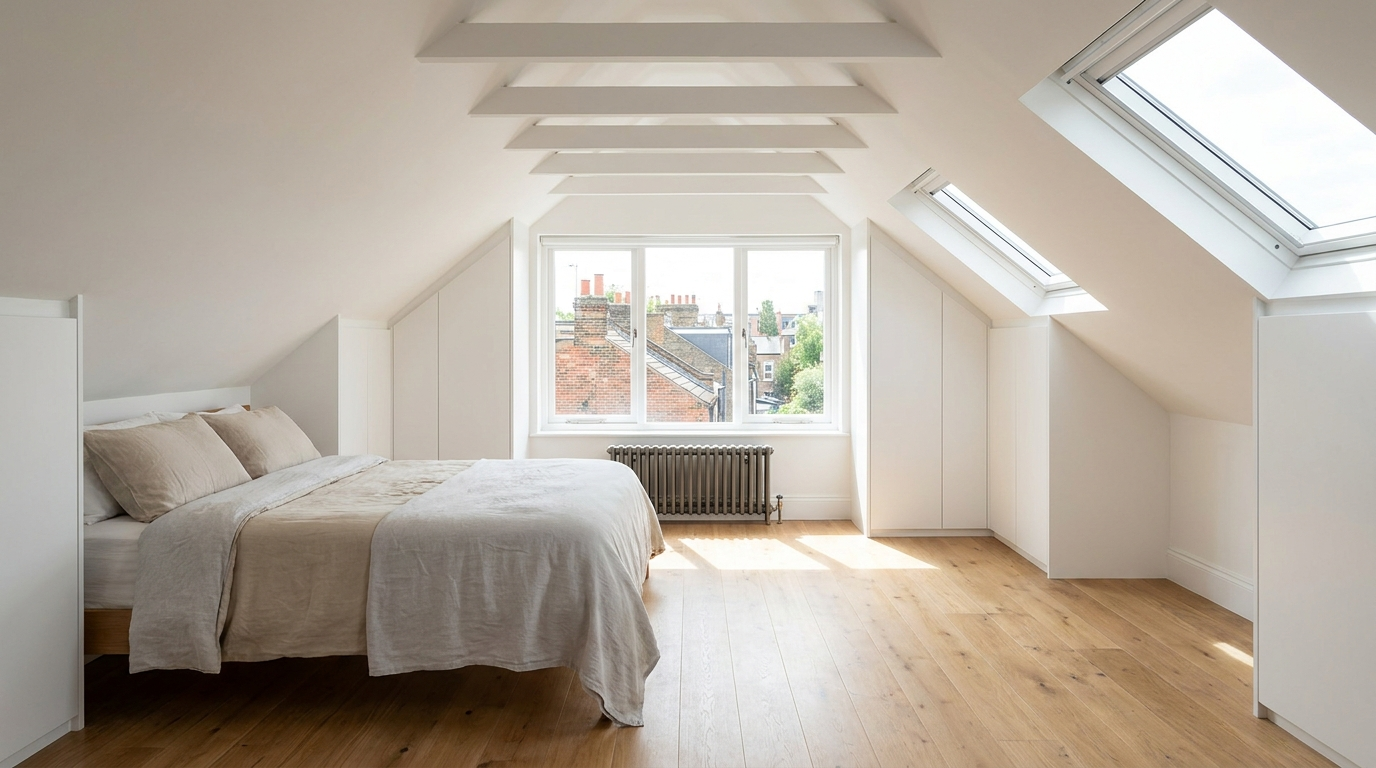
Well-considered rear extensions and loft conversions are popular across Blackheath, Kidbrooke, and Lee, adding valuable space while preserving the street-facing character of the property.
Managing Structural Alterations
Opening up ground floor layouts is one of the most popular refurbishment projects in period terraces and semi-detached homes across SE London. Removing Victorian partition walls or taking out original chimney breasts can dramatically transform a space — but these are structural works that require Building Regulations approval and, in most cases, a structural engineer's calculations.
Never assume a wall is non-load-bearing without professional confirmation. And always use certified, experienced contractors who understand how older buildings distribute load differently from modern construction.
Don't Overlook Services and Utilities
Older properties often have outdated electrical wiring, lead or iron pipework, and inefficient heating systems. A full refurbishment is the ideal opportunity to rewire, replumb, and install a modern, efficient heating system — all before the finishing work goes back in. Trying to retrofit services after decoration is complete adds cost and disruption.
For properties across Blackheath, Deptford, Woolwich, and Eltham, we'd always recommend a full services audit as part of your pre-project planning.
Work With People Who Know the Area
Blackheath and its neighbouring SE London communities have a distinct architectural identity, and refurbishing a property here deserves a team that genuinely understands that context. Local knowledge of planning requirements, trusted supplier relationships, and hands-on experience with period construction methods make an enormous difference to the outcome of any project.
At Heath Projects, we're proud to be based right here in Blackheath. We've helped homeowners and businesses across SE London restore, refurbish, and reimagine period properties — always with quality, care, and character at the forefront.
If you're planning a refurbishment project and want to talk it through with a team that truly knows the area, you can book a free site visit and we'll walk the property with you.
Shaping spaces, defining standards.